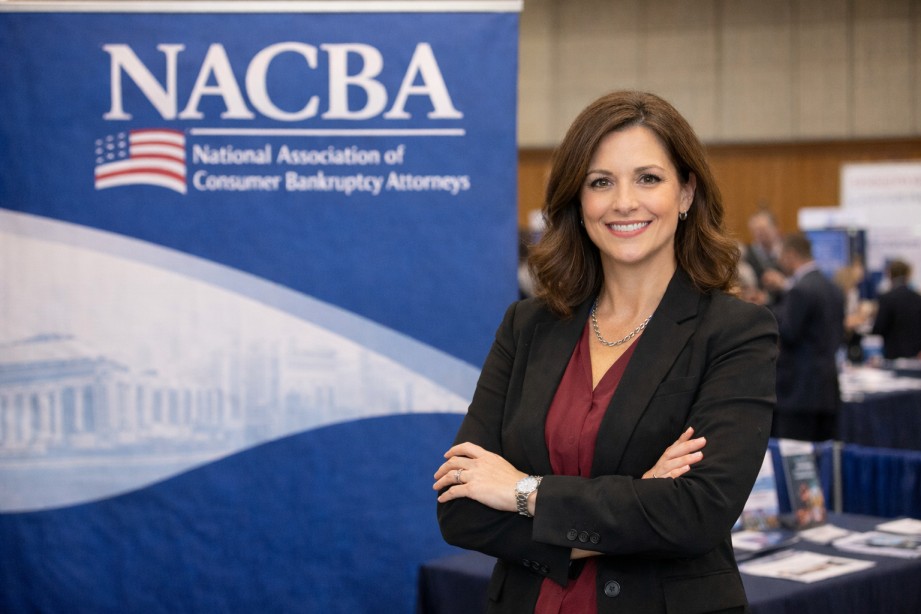
Author: Philip Tirone

What NACBA Really Does for Bankruptcy Attorneys

What NACBA Really Does for Bankruptcy Attorneys

What does NACBA actually do for bankruptcy attorneys—beyond conferences and listserv emails? NACBA board member Tara Salinas breaks down what getting involved really looks like in practice. Here are the three key takeaways: 

  1. Getting involved with the National Association of Consumer Bankruptcy Attorneys helps attorneys grow their practice and improve how they serve clients.
  2. NACBA provides education, collaboration, and leadership opportunities for consumer bankruptcy attorneys at every stage of their career.
  3. Participation in NACBA can lead to real change in the bankruptcy system, from legislative reform to improving case law across the country.

From sharing ideas with attorneys across the country, to improving client outcomes, growing a stronger practice, and even shaping bankruptcy law at the state and national level, this is a behind-the-scenes look at how NACBA works for the lawyers who show up. We talk about why many consumer bankruptcy attorneys choose to get involved, how collaboration across districts helps everyone get better, and the lesser-known ways NACBA supports attorneys through education, advocacy, and appellate resources. 

If you’ve ever wondered whether NACBA membership is worth your time—or how other attorneys are using it to improve their practice—check out the video, or keep reading for FAQs. 


Frequently Asked Questions


FAQ: Why should bankruptcy attorneys get involved with NACBA?

Bankruptcy attorneys should get involved with NACBA because it provides opportunities to collaborate with colleagues, improve their practice, and contribute to the future of consumer bankruptcy law.

Many consumer bankruptcy attorneys work in small firms or solo practices, which can sometimes feel isolating. NACBA creates a nationwide network where attorneys can share ideas, discuss emerging issues, and learn from one another. That collaboration can lead to new strategies for handling cases, improving client service, and managing a practice more effectively.

For some attorneys, involvement begins with attending conferences, watching webinars, or participating in listserv discussions. Over time, many discover that they have something valuable to contribute. Some attorneys begin speaking at conferences, hosting webinars, or mentoring newer practitioners. Others contribute by writing articles, helping organize advocacy efforts, or participating in leadership roles.

The organization creates a space where attorneys who care about helping debtors can learn from each other while strengthening the profession as a whole.

Return to questions

FAQ: What benefits do attorneys receive from NACBA membership?

Attorneys who join NACBA gain access to education, professional networks, and practical resources that help them improve their bankruptcy practice.

One of the most valuable benefits is the NACBA listserv, where attorneys from around the country discuss legal questions, procedural issues, and practical strategies. Because these attorneys practice in different jurisdictions, they are often willing to share ideas openly without worrying about local competition.

NACBA also offers conferences, workshops, and webinars that provide continuing legal education focused specifically on consumer bankruptcy practice. These events allow attorneys to learn about new developments in bankruptcy law while connecting with colleagues who face similar challenges in their own districts.

Many attorneys also find that these relationships lead to referrals, collaborative problem solving, and the exchange of practical tools such as intake forms, fee agreements, and litigation strategies.

Return to questions

FAQ: How does NACBA help bankruptcy attorneys grow their practices?

NACBA helps bankruptcy attorneys grow their practices by creating an environment where attorneys can share successful strategies and learn from colleagues across the country.

Attorneys frequently exchange ideas about marketing, case strategy, client communication, and practice management. Because the participants practice in different states, they can speak openly about what works and what does not without worrying about competing for the same clients.

These conversations often lead to practical improvements. An attorney might learn about a new intake process, a better way to handle student loan cases, or a strategy for improving Chapter 13 practice. Many attorneys implement ideas they learned from colleagues and discover that those changes help them better serve clients while also strengthening their firm financially.

In this way, NACBA functions as a national think tank for consumer bankruptcy practice, where attorneys continuously refine the way they work.

Return to questions

FAQ: What role does NACBA play in legislative advocacy?

NACBA plays an important role in helping bankruptcy attorneys advocate for better laws that protect debtors and improve the bankruptcy system.

In some states, NACBA members have organized legislative efforts to improve exemption laws and other protections for debtors. These efforts often involve working with local attorneys, identifying legislative sponsors, and coordinating advocacy campaigns.

For example, attorneys in Colorado successfully worked to increase their state’s exemption protections through a coordinated effort supported by NACBA’s legislative resources. NACBA helped provide guidance, strategic support, and connections to professionals who understand how to navigate legislative processes.

These types of initiatives allow consumer bankruptcy attorneys to improve the legal landscape for their clients, not only within their own state but sometimes across the country.

Return to questions

FAQ: What is the National Consumer Bankruptcy Rights Center (NCBRC)?

The National Consumer Bankruptcy Rights Center is a nonprofit organization that helps bankruptcy attorneys challenge harmful legal decisions and develop stronger case law for consumer debtors.

When a bankruptcy court issues a decision that could negatively affect debtors, attorneys may want to appeal the ruling but lack the resources or experience necessary to pursue the case effectively. NCBRC provides assistance in these situations by helping attorneys prepare appellate briefs, develop legal arguments, and prepare for oral arguments.

In some cases, the organization files amicus briefs supporting appeals that could shape important areas of bankruptcy law. This work helps ensure that harmful legal precedents do not spread unchecked through the court system.

Although NCBRC operates as a separate nonprofit organization, it was founded by members of NACBA and works closely with the consumer bankruptcy bar to protect debtor rights.

Return to questions

FAQ: How can attorneys contribute to NACBA without serving on the board?

Attorneys can contribute to NACBA in many ways without serving on the board, including teaching, writing, mentoring, and participating in advocacy efforts.

Some attorneys share their expertise by presenting webinars or speaking at NACBA conferences. Others contribute by writing articles for publications such as the Consumer Bankruptcy Law Journal. Attorneys who enjoy advocacy may participate in legislative initiatives that improve bankruptcy protections in their state.

There are also opportunities to support appellate work through collaboration with the National Consumer Bankruptcy Rights Center. Even simple participation in discussions, sharing ideas, and mentoring younger attorneys helps strengthen the community.

For many members, the most meaningful contribution comes from sharing the knowledge they have gained through years of practice. When attorneys openly exchange ideas and resources, the entire consumer bankruptcy bar becomes stronger and better equipped to serve clients.

Return to questions


Disclaimer: The content on this blog is for informational and educational purposes only and does not constitute legal or financial advice. Watching our videos and reading our blogs does not create an attorney-client relationship. Always consult a licensed bankruptcy attorney or financial professional about your situation.


Top 10 Lead Sources for Bankruptcy Attorneys (NACBA 2025)

Watch the full video, or keep reading for advice from NACBA attorneys about the top ten lead sources, and other advice regarding converting leads.


Frequently Asked Questions


FAQ: What are the top 10 lead sources for bankruptcy attorneys in 2025?

The top 10 lead sources for bankruptcy attorneys in 2025 are 1) client referrals, 2) attorney referrals, 3) Google Local Services Ads, 4) organic Google search and maps, 5) Google PPC, 6) TikTok short-form videos, 7) Yelp reviews, 8) Spanish-language radio, 9) direct mail to homeowners in default for Chapter 13, and 10) outdoor advertising in limited cases.

Return to questions

FAQ: How should I prioritize Google options like LSA, PPC, and SEO?

You should prioritize Google by leading with LSA for intent-driven calls, maintaining a steady SEO cadence for compounding traffic, and using PPC to test offers and fill volume gaps. LSA tends to be the most efficient near-term lever, SEO builds the floor, and PPC is your throttle.

Return to questions

FAQ: Where do referrals from clients and attorneys fit in the mix?

Referrals from clients and attorneys sit at the top because they convert faster, require less education, and carry higher trust. Systematize them with a simple thank-you loop, quarterly touches to PI and family firms, and a review request plan after each successful discharge.

Return to questions

FAQ: Is TikTok really producing signed cases or just attention?

TikTok is producing signed cases when you post consistent, plain-language explainers with a real human face and clear calls to schedule. The firms seeing results rely on an attorney or paralegal who creates short, frequent videos that answer one question at a time.

Return to questions

FAQ: Do Yelp reviews still matter for bankruptcy intake?

Yelp reviews matter because many debtors search for empathy and clarity, not just pricing, and Yelp showcases tone through long-form testimonials. A steady stream of genuine client stories improves discovery and nudges hesitant prospects to book.

Return to questions

FAQ: Can Spanish-language radio outperform digital in some markets?

Spanish-language radio can outperform digital when you have bilingual intake that answers live and books on the first call. Community trust plus language fit creates warmer inquiries and more referrals within the same network.

Return to questions

FAQ: Is direct mail still worth it for Chapter 13 and foreclosure?

Direct mail is still worth it for Chapter 13 and foreclosure when lists are clean, timing matches notice windows, and follow-up is immediate. Pair mail with same-day callbacks and a short landing page that confirms eligibility and schedules a consult.

Return to questions

FAQ: Should I try outdoor billboards or skip them?

You should try outdoor billboards only if you can afford true saturation and time. Otherwise, invest in LSA, reviews, and content first, then test outdoor later as a brand layer, not your primary lead source.

Return to questions

FAQ: What role do specialty funnels like 720 System Strategies and Three Pillars play?

Specialty funnels like 720 System Strategies and Three Pillars play a feeder role by delivering educated prospects through structured intake and LOI flows. Many firms rank these pipelines just behind Google and referrals.

Return to questions

FAQ: If I am starting fresh, how should I split my budget across the top 10?

If you are starting fresh, you should split your budget roughly as follows: 30 percent to LSA, 20 percent to PPC testing, 20 percent to reviews and local SEO content, 10 percent to TikTok short-form, 10 percent to referral enablement, 5 percent to Spanish-language radio if relevant, 3 percent to direct mail for Chapter 13, 2 percent to outdoor brand tests, and the rest to specialty funnels that fit your staffing and market.

Return to questions


Disclaimer: The content on this blog is for informational and educational purposes only and does not constitute legal or financial advice. Watching our videos and reading our blogs does not create an attorney-client relationship. Always consult a licensed bankruptcy attorney or financial professional about your situation.

The Surprising ROI of Legal Aid in a Bankruptcy Practice

An experienced female attorney stands confidently in her law office, smiling while holding a leather portfolio, with bookshelves and legal scales behind her illustrating the surprising ROI of legal aid in a bankruptcy practice.

I sat down with Chad Van Horn to talk about something most firms treat as an afterthought: legal aid as a core strategy. Chad’s firm partners deeply with Legal Aid Service of Broward County and sponsors pro bono scholars at Nova Southeastern University (NSU). The results aren’t just warm-fuzzy: 29,000+ student hours, hundreds of Chapter 13 filings supported, a reliable hiring pipeline, and firm growth from roughly 50 retains a month to about 400. Check out the full episode, or keep reading for the FAQs.

Frequently Asked Questions


FAQ: Why treat legal aid as a strategic pillar instead of a side project?

You treat legal aid as a strategic pillar because it reliably feeds impact, reputation, and growth at the same time. Chad’s team built systems around pro bono, not exceptions, which turned goodwill into consistent caseflow, community trust, and a brand that clients and referrers rally around.

Return to questions

FAQ: How do the student partnerships actually work?

Student partnerships work by formalizing pro bono tracks with your local law school, setting recognition tiers for hours, and supervising real bankruptcy matters that teach practice, not just theory. In Chad’s program with NSU, 184 students logged 29,175 hours across 380 pro bono cases, including more than 250 Chapter 13 filings, then graduated with hands-on experience that firms value.

Return to questions

FAQ: Won’t advertising pro bono invite a flood of “free” callers?

Advertising pro bono does not invite unmanageable demand if you screen for eligibility and publish a clear policy. Legal aid forwards qualified matters, and everyone else receives flexible payment options or referrals. The key is a known intake rule set so your staff can triage without friction.

Return to questions

FAQ: What if I truly don’t have time right now?

If you truly don’t have time right now, start small and make it routine rather than special. One or two matters per month, every month, beats a quarterly surge that never happens. Consistency lets legal aid count on you and allows your team to schedule pro bono alongside standard work.

Return to questions

FAQ: How many matters should I take, and how do I set boundaries?

Take a fixed, recurring number that fits your capacity, for example two pro bono cases per month, and communicate that quota to legal aid. Clear boundaries prevent overrun while still delivering meaningful access to counsel for people who would otherwise go unrepresented.

Return to questions

FAQ: Does pro bono quality match paying-client quality in your shop?

Pro bono quality should match paying-client quality in your shop, or you risk harming trust. Chad’s rule is simple. A pro bono client receives the same attorney oversight, the same 341 meeting caliber, and the same workflows as any other client. Dignity and standards are non-negotiable.

Return to questions

FAQ: How does this help hiring and culture?

This helps hiring and culture because values attract talent. Candidates routinely choose Van Horn Law Group over higher-pay offers to do meaningful work with a team that serves. Inside the firm, pro bono energizes purpose, teaches judgment, and grows tomorrow’s mentors.

Return to questions

FAQ: Does any of this move community outcomes, like pro se filings?

This moves community outcomes because reliable pro bono supply reduces desperation filings. Chad reports fewer pro se cases in his district as students and volunteers absorb matters that would otherwise land unassisted on the docket, improving fairness and court efficiency for everyone.

Return to questions


Disclaimer: The content on this blog is for informational and educational purposes only and does not constitute legal or financial advice. Watching our videos and reading our blogs does not create an attorney-client relationship. Always consult a licensed bankruptcy attorney or financial professional about your situation.

Inside the AI Systems Powering a 400-Case-Per-Month Bankruptcy Firm

I sat down with bankruptcy attorney Chad Van Horn to talk about how AI is reshaping debtor practice. He has two AI developers on staff and is shipping real tools, not theories. The headline is speed with control. Motions build themselves from the docket. Payment plans self-configure in shorter timeframes. Document collection is smoother. Staff get data-driven coaching. All of it runs inside guarded systems so confidential material stays in house.


Frequently Asked Questions


FAQ: How is AI changing day-to-day bankruptcy work right now?

AI is changing day-to-day bankruptcy work by taking repetitive drafting off human plates, pulling facts from the docket and schedules, and generating ready-to-review motions, orders, and certificates so staff can focus on judgment calls and client issues.

Return to questions

FAQ: What does the in-house motion generator actually do?

The in-house motion generator builds a complete motion package by pulling case data, dropping in approved language, and producing a Word or PDF draft for items like impose or extend stay and motions to value.

Return to questions

FAQ: How accurate is it and what did it replace?

Accuracy sits around 99 percent and it replaced a maze of old templates, stale signature blocks, manual copy-paste, and the bounce backs that came with them.

Return to questions

FAQ: Is this a website or a prompt window, and will it file to PACER?

This is a secure internal website, and the next version will connect to PACER so approved documents can be queued for filing.

Return to questions

FAQ: How did the team handle ethics and guardrails?

The team handled ethics and guardrails by running everything inside a private workspace, hardcoding citations, constraining data sources, and keeping attorney review on every draft.

Return to questions

FAQ: What AI tools help with document collection and petition prep?

AI tools help with document collection and petition prep through services like Glade.ai, which chase, organize, and map documents into the petition so cases reach file-ready status faster.

Return to questions

FAQ: How did AI change payment setup and collections?

AI changed payment setup and collections by letting clients choose weekly or biweekly plans in an automated flow, which shortened average timelines from nine months toward four and improved completion.

Return to questions

FAQ: What time savings came from dropping paper and double entry?

Time savings from dropping paper and double entry total about 15 minutes per client, which translated to roughly 100 hours in a 400-signup month, with fewer errors.

Return to questions

FAQ: Can AI improve client emails without sounding robotic?

AI can improve client emails without sounding robotic by drafting replies in your voice from your own archive, so lawyers make light edits and cut back-and-forth while keeping tone natural.

Return to questions

FAQ: How is AI used to coach staff and improve signups?

AI is used to coach staff and improve signups by reporting outreach volume, satisfaction cues, and friction points, which lets managers coach with facts and reward the behaviors that close files.

Return to questions

FAQ: Will AI replace attorneys or shift their work?

AI will shift attorneys’ work by removing data entry and elevating quality control, strategy, negotiation, and court time, with hiring aimed at higher-skill roles.

Return to questions

FAQ: What is coming in the next six months?

In the next six months, expect more coverage for motion types, tighter links to filing systems, and simpler ways to trigger drafts, including email-to-draft flows for lawyers who prefer sending a quick instruction.

Return to questions

Disclaimer: The content on this blog is for informational and educational purposes only and does not constitute legal or financial advice. Watching our videos and reading our blogs does not create an attorney-client relationship. Always consult a licensed bankruptcy attorney or financial professional about your situation.

How Some Bankruptcy Attorneys Avoid Burnout Entirely

How Some Bankruptcy Attorneys Avoid Burnout Entirely

I sat down with Chattanooga bankruptcy attorney Eron Epstein, who has thrived in the debtor world for 45 years across Tennessee, Georgia, and nrth Alabama. We talked about why burnout hits our bar so hard, and the simple habits that kept him steady for decades. Check out the interview, or keep reading for the FAQs!


Frequently Asked Questions

  1. What is the fastest way to lower burnout in a debtor practice?
  2. How does a service mindset change the day-to-day?
  3. What cadence of time off works?
  4. I feel too busy to take vacation. What should I do?
  5. How much should I delegate?
  6. What role does family play in long-term stamina?
  7. Is this worth the grind?
  8. What is my first step if I’m drowning in leads?
  9. What small habits help every day?

FAQ: What is the fastest way to lower burnout in a debtor practice?

Leave work at the office. Eron drew a hard line between case stress and home life and stuck to it. That meant no evening play-by-plays at the dinner table, no late-night file diving unless it was truly urgent, and a daily ritual of closing loops before he walked out. The files will still be there tomorrow. Your family and your own nervous system should not carry your caseload overnight.

Return to Top

FAQ: How does a service mindset change the day-to-day?

When you frame the work as relief and restoration, tough conversations land differently. You are not moving paperwork. You are guiding people through a reset that often leads to stable housing, calmer households, and a chance to start saving again. Keep success stories visible in the office, invite former clients to share outcomes, and remind your team why the work matters. Meaning crowds out fatigue.

Return to Top

FAQ: What cadence of time off works?

Plan breaks before the calendar fills. Eron books a long weekend every 4 to 6 weeks and blocks court-free windows for conferences or family trips. Treat those dates like court appearances. Work backward 10 days to clear tasks, remind staff and referral partners, and set out-of-office rules. You return sharper, your team takes ownership, and your systems mature because they must.

Return to Top

FAQ: I feel too busy to take vacation. What should I do?

Flip the math. Skipping rest is the expensive choice. Time away forces you to tame your task list, clean up processes, and empower staff. Start small if needed. Pick one Friday afternoon off next month and protect it. Use the week prior to triage open matters, assign owners, and set auto-replies that point clients to clear next steps.

Return to Top

FAQ: How much should I delegate?

Ask this every time something lands on your desk: who else could do 80 percent of this well enough? Push routine tasks to the right level with checklists and deadlines. Reserve your time for judgment calls, negotiations, hearings, and team coaching. Delegation is not dumping. It comes with clear expectations, written procedures, and quick debriefs so quality stays high.

Return to Top

FAQ: What role does family play in long-term stamina?

Protect it like your most valuable client. Eron credits his marriage for much of his staying power. Shared calendars, predictable time together, and real presence at home lower the background stress that drags attorneys down. Decide in advance which family events are non-negotiable and put them on the calendar before hearings stack up.

Return to Top

FAQ: Is this worth the grind?

Absolutely. Eron gets stopped on the street years later by clients who bought a home, rebuilt credit, and finally slept through the night. Collect those stories, with permission. Read one at staff meetings. They are fuel on long days and a reminder that filings are a path to dignity, not a defeat.

Return to Top

FAQ: What is my first step if I’m drowning in leads?

Pick one boundary, one system, one handoff. Example: no client calls after 6 p.m., a same-day triage checklist for new leads, and a paralegal-led document chase with a weekly metrics check. Those three moves will lower noise, raise conversion, and buy you enough space to plan your next improvement.

Return to Top

FAQ: What small habits help every day?

Close each day with a 10-minute shutdown: clear your desk, log tomorrow’s top three outcomes, scan the calendar for conflicts, and send two quick delegations. Then leave. Repeat the cycle. Small, consistent boundaries beat heroic sprints.

Return to Top


Disclaimer: The content on this blog is for informational and educational purposes only and does not constitute legal or financial advice. Watching our videos and reading our blogs does not create an attorney-client relationship. Always consult a licensed bankruptcy attorney or financial professional about your situation.

What to Do With Uncollectible Senior Leads?

I sat down with Eric Olsen of HELPS Law Group to talk about seniors and disabled clients who live on protected income and get hammered by collection calls. Here are three takeaways:

  1. Many seniors and disabled clients are judgment-proof, so bankruptcy is unnecessary and unaffordable.
  2. Ongoing representation that stops calls and explains protections solves the real problem: fear and harassment.
  3. Referring to HELPS gives clients lifetime relief at a minimal cost while you keep your practice focused.

Check out the video of this episode of the 720 System Strategies podcast, or keep reading for frequently asked questions.

Frequently Asked Questions


FAQ: What makes a senior or disabled debtor judgment-proof?

A debtor is judgment-proof when their income and basic assets are legally protected and creditors have no practical way to collect. For many seniors and disabled clients, Social Security, pensions, VA benefits, disability, IRAs, and 401(k)s are protected, and state exemptions often cover modest assets. In those cases, filing bankruptcy is unnecessary and unaffordable.

The real pain is not garnishment. It is the constant harassment and fear. Helping clients understand their protected status and putting a barrier between them and collectors solves the problem they actually feel.

Return to Top

FAQ: What does HELPS do for clients who are uncollectible?

HELPS represents seniors and disabled consumers so collectors must talk to HELPS, not the client. Under the Fair Debt Collection Practices Act, once an attorney represents a consumer, third-party collectors have to stop calling and sending demand letters to the consumer.

HELPS also sends cease and desist notices to original creditors. Most stop contact after that. Clients keep a direct line to HELPS for ongoing questions so the next letter or call does not trigger panic.

Return to Top

FAQ: How much does HELPS cost and how long does coverage last?

HELPS charges a small monthly fee with delayed start, and never turns anyone away for inability to pay. Typical paid plans are about $20 to $40 dollars for a period, then the fee drops, and after several years the service becomes free.

Some clients pay nothing from the start. Either way, representation continues for life. The model is built to be accessible for fixed incomes.

Return to Top

FAQ: How does HELPS screen and enroll a new client?

HELPS gathers basics up front, including state, age, marital status, home ownership or rent, vehicle, income sources, banks or credit unions, suit history, and approximate unsecured debt.

They also ask about taxes, student loans, and any small credit the client hopes to keep.

That snapshot confirms protected income and assets, surfaces risk areas, and sets expectations. Enrollment can begin immediately, with the first payment typically 30 to 60 days out.

Return to Top

FAQ: Will collection calls and letters actually stop?

Yes, once HELPS represents the client, third-party collectors must stop contacting the consumer and route communications through HELPS. Original creditors often stop after receiving notice as well, though billing statements can continue.

If a new collector appears months or years later, the client forwards the notice to HELPS and the process repeats. The point is steady, ongoing peace.

Return to Top

FAQ: What happens if a client is sued after enrolling with HELPS?

If a client is sued, HELPS notifies the opposing attorney that the client’s income is protected, that the debt will not be paid, and that a judgment changes nothing about collectability. HELPS also reminds counsel about the protected status of relevant bank funds.

Clients get coaching on what to expect. Most of the time the suit ends in a paper judgment that cannot reach protected income or exempt assets.

Return to Top

FAQ: Can banks still garnish protected Social Security funds?

Federal rules require banks to protect an amount equal to two months of direct-deposited federal benefits in an account when a garnishment order arrives. For example, if monthly Social Security is $1,500, the bank must automatically protect 3,000 dollars in the account, regardless of other deposits.

Credit unions can be slower to apply these rules, but departments that handle garnishments generally follow them. HELPS educates clients and notifies counsel as needed.

Return to Top

FAQ: When should a debtor attorney refer to HELPS instead of filing bankruptcy?

Refer when the client lives on protected income, owns only exempt assets, and has no realistic exposure to collection. Also refer when a bankruptcy would create unnecessary complexity, such as pushing equity into a Chapter 13 the client cannot afford.

This referral frees your team from long reassurance calls and gives the client a permanent solution that matches their reality.

Return to Top

FAQ: Can HELPS handle cases in every state and explain exemptions?

Yes. HELPS works nationwide and helps clients understand general protections and common state exemption issues. They also flag when a true bankruptcy referral is appropriate and connect the client.

The goal is practical guidance that fits the rules where the client lives without sending them in circles.

Return to Top

FAQ: Can seniors keep a small credit card while ignoring others?

Often they can keep a small card if it is not tied to a bank where they will default on another account. Unlike bankruptcy, which usually leads to accounts being closed, HELPS does not trigger that automatic cutoff.

HELPS screens for bank relationships and advises how to avoid unintended closures.

Return to Top

FAQ: Can HELPS help with taxes, student loans, or credit rebuilding?

HELPS advises clients on options like currently not collectible status for IRS debts and gives practical guidance on student loans. After clients stabilize, HELPS can point them to credit rebuilding resources such as 720 Credit Score for Seniors.

The aim is steady recovery. Clients learn what matters, what to ignore, and when to seek a targeted bankruptcy.

Return to Top

FAQ: Why is this better than telling a senior to file a low-cost Chapter 7?

It is better because many seniors do not need a bankruptcy, and a filing can backfire if nonexempt home equity or other issues force a Chapter 13 that the client cannot sustain. The cheaper option is not cheaper if it creates new risks.

With HELPS, the calls stop, the income stays protected, and the client keeps a guide on speed dial for the next letter or lawsuit.

Return to Top

Does Bankruptcy Board Certification Actually Bring Clients?

Does a bankruptcy certification actually help you win more clients when building a bankruptcy practice? That’s what Eron Epstein and I discussed in this week’s episode of the 720 System Strategies podcast. Here are the three main takeaways:

  1. Board certification is more about craft, focus, and credibility than lead volume.
  2. Long game wins: serve clients first, be transparent, hire help for HR and marketing, and specialize.
  3. Value adds and consistent branding lift trust and referrals more than a single credential.

I sat down with my friend and longtime client, Eron Epstein, who has spent 45 years building a consumer bankruptcy practice that feels boutique. We talked about board certification, what it signals, and what actually moves the needle for growth.

If you are weighing certification, staffing, and marketing, this conversation gives you a practical roadmap from someone who has lived the solo journey and scaled it without losing heart.

Frequently Asked Questions


FAQ: Does board certification help you win more clients?

The short answer is that certification helps your credibility more than your raw client count. Some callers will notice the credential and feel reassured, while many will care more about empathy, clarity, and price fit. Over time, certification supports referrals from lawyers, trustees, and informed consumers who value commitment to the craft. Think of it as a quality signal that strengthens trust rather than a switch that floods your calendar.

Return to Top

FAQ: What does board certification actually require?

Board certification requires a sustained debtor-focused practice, extra CLE, documented competence, and higher professional standards such as robust liability coverage. It is a structured way to prove you live in this lane. That discipline keeps you current and sharp. The coursework and renewal rhythm push you to step out of daily fires, learn, and return with better judgment for your clients.

Return to Top

FAQ: Is certification worth it for a newer debtor attorney?

Certification is worth it if your goal is mastery and a durable reputation. If you chase it only for lead flow, you may be disappointed. Early in your career, the biggest gains come from clean process, consistent communication, and a strong intake experience. Certification then becomes a reinforcing layer that shows you are serious about this work.

Return to Top

FAQ: Will clients assume a certified lawyer costs more?

Some will assume a higher price, and that can scare off pure price shoppers. The antidote is to frame value clearly and show outcomes. Most people would not pick a non-certified surgeon for a knee replacement. When you make that analogy with sincerity and keep your pricing transparent, the credential reads as confidence and care, not a surcharge.

Return to Top

FAQ: If you had to start again, would you get certified?

Yes, I would get certified again for personal and professional reasons. It keeps focus tight and signals standards to colleagues, trustees, and clients. The time investment is modest compared to the hours you already pour into the practice. The habit of staying current pays off for decades.

Return to Top

FAQ: What are the top three principles for building a debtor practice?

The top three are serve the client first, be radically transparent, and play the long game. Money follows when clients feel respected and informed. Screen cases carefully, overdisclose, and avoid pressure tactics. The cases you do not take often protect your reputation more than the ones you file.

Return to Top

FAQ: Why does compassion matter so much in intake and staffing?

Compassion is the difference between a transaction and trust. You can teach systems and scripts, but you cannot teach heart to someone who does not have it. Hire for empathy in front-line roles. Clients in financial distress remember how you made them feel long after they forget the technical steps.

Return to Top

FAQ: When should a small firm bring in HR help?

Bring in HR help earlier than you think, even part-time. HR workflow, compliance, and people issues can burn you out faster than legal work ever will. An HR-leaning office manager who tracks tasks, nudges follow-ups, and handles sensitive issues keeps your practice steady and your head clear.

Return to Top

FAQ: Why specialize in consumer Chapter 7 and 13 instead of being a generalist?

Specializing builds speed, pattern recognition, and a brand that referrals understand. Depth beats breadth when trust and efficiency drive results. You will give up some cross-marketing, yet the market will learn exactly who you are and send the right matters to your door.

Return to Top

FAQ: What value adds help you stand out with debtors?

Value adds like a structured credit-rebuilding path signal that you care about life after discharge. That differentiator can decide close calls with prospects. Whatever program you choose, integrate it into your branding and talk track so it shows up in every touchpoint, not only in the fine print.

Return to Top

FAQ: Do you really need a dedicated marketing coordinator today?

A dedicated marketing coordinator is close to essential once you have steady volume. You cannot wear every hat and still show up fully for clients. That role keeps messaging consistent, manages buys, tracks results, and helps you triple down on what works. Consistency wins more than sporadic spikes.

Return to Top

FAQ: What marketing approach worked for the long haul?

The approach that worked was comprehensive and relentless. Test channels, keep what performs, and stay visible where real clients look. From bus tails to late-night spots to digital, the rule is the same: find the message that lands and expand it. Branding that feels human beats gimmicks every time.

Return to Top

How a Solo Bankruptcy Attorney Built a 45-Year Practice Without Becoming a Mill

Here are three takeaways from this episode of the 720 System Strategies podcast: 

  1. Boutique firms win and grow when by staying hands-on, screening carefully, and removing quotas from the culture.
  2. A clean intake path keeps the firm’s quality of services high: warm reception, deep paralegal interview, then a focused attorney consult where options are clear.
  3. Scale and profitability are different. Play the long game, specialize, and never sell more than you can service.

I sat down with Eron Epstein, who has filed a high volume of consumer cases across a very specific region in Tennessee and North Georgia while keeping a boutique feel. The secret is not complicated. He stays hands-on, protects his time with process, and refuses to let quotas drive decisions.

If you are building a solo or small practice and want growth without the mill vibe, the playbook is right here. Watch the video, or check out the FAQs.

Frequently Asked Questions


FAQ: How do you file a high volume of cases without becoming a mill?

You file a high volume without becoming a mill by staying hands-on and screening ruthlessly so you meet the right clients, not more clients. The practice keeps a boutique feel when the attorney hears the backstory, sets expectations, and says no when the fit is wrong.

That posture changes the energy of the office. Clients feel seen, staff works cases they can win, and the calendar fills with quality instead of noise.

Return to Top

FAQ: What does your intake workflow look like from first hello to attorney consult?

The intake workflow begins with a warm reception and a short data capture, then moves to a paralegal interview that runs 30 to 60 minutes, and finally to a focused attorney consult. By the time the attorney steps in, schedules are drafted and options are clear.

This flow protects attorney time and improves decisions. The client gets empathy up front, substance next, and clarity at the end.

Return to Top

FAQ: Do you personally meet with every client and for how long?

Yes, attorney Eron Epstein meets with every single client, usually for 20 to 30 minutes. Those minutes are for options, risk, and fit, not small talk.

When the attorney shows up, conversion rises and revisions fall. It signals standards and keeps the boutique experience real.

Return to Top

FAQ: Do you ask clients to sign the same day?

No, attorney Eron Epstein does not push same-day signings unless the case clearly calls for it. Decisions stick when clients have space to think.

Removing pressure leads to better files and fewer regrets. If you want a mill, you chase quotas. If you want longevity, you let the client decide.

Return to Top

FAQ: How do you prevent a quota culture and keep staff aligned?

You prevent a quota culture by eliminating monthly filing targets and paying people what they are worth. Bonuses for raw volume distort judgment.

When compensation rewards craft, staff stops forcing fits and the office breathes easier. Quality climbs and complaints drop.

Return to Top

FAQ: Why double down on consumer bankruptcy and not chase other work?

You double down on consumer bankruptcy because focus compounds skill, speed, and trust. Eron is Chapter 7 and 13, consumer only, full stop. Specialization closes some doors, yet it opens the right ones. Over time the market learns what you stand for and sends cases that match.

Return to Top

FAQ: What financial runway should a new solo plan for?

A new solo should plan a real war chest for marketing and early dry spells. In earlier years that meant serious Yellow Pages spend, and today it means smart digital and relationship work.

Cash in the bank buys patient decisions, not panic moves. That runway is how you avoid saying yes to the wrong cases.

Return to Top

FAQ: How do you think about marketing over the years?

Marketing evolves, yet the principle is steady. Invest, test, and stay visible where your clients actually look. The channels change, the need to show up does not.

Pair advertising with genuine hospitality in your emails, calls, and office vibe. People remember how you made them feel.

Return to Top

FAQ: How much of your business comes from referrals?

Roughly a third of the practice arrives by referral, which is a trust score you earn over decades. That number grows when you keep promises and treat people like neighbors.

Referrals lower acquisition costs and raise case quality. They also prove that boutique and volume can live together.

Return to Top

FAQ: Why not expand statewide if demand is strong?

Expansion statewide sounds tempting, but regions behave differently. For Eron’s footprint, 100 miles can be a different world with different expectations.

Owning your zone beats thin coverage everywhere. Depth wins over distance.

Return to Top

FAQ: What matters more, scale or profitability?

Profitability matters more than scale. The KPI is what you take home, not how many files you open. Do not sell more than you can service.

Quality outlasts tempos and keeps your name clean.

Return to Top

How Bankruptcy Attorneys Scale Using Video Without Making Videos

In this episode of the 720 System Strategies podcast, I explain how you can use the Bankruptcy Explained and 720 Credit Score YouTube channels to answer the questions clients always ask. When you use these videos in your follow-up, you can cut call time, speed time to file, and convert more leads without repeating yourself.

Frequently Asked Questions

  1. How can debtor attorneys use video to scale intake and stop repeating themselves?
  2. What is Bankruptcy Explained and how should I use it in follow-up?
  3. What is 720 Credit Score and when should clients see it?
  4. Which debtor myths should I address before the consultation?
  5. How should I prepare clients for the 341 meeting without long calls?
  6. What should clients know about student loans in bankruptcy?
  7. How soon can clients buy a home after bankruptcy?
  8. Why does video-driven education speed time to file?
  9. How should I plug these channels into my lead follow-up?

FAQ: How can debtor attorneys use video to scale intake and stop repeating themselves?

You can use video to scale intake by sending clients short, educational clips that answer the questions you hear every day before they reach your desk. This shifts common explanations to the front office and reserves attorney time for decisions and edge cases.

The Bankruptcy Explained YouTube channel covers pre-filing concerns and the 720 Credit Score channel covers post-filing credit rebuilding, so your pipeline stays informed from first call through discharge and beyond.

Return to Top

FAQ: What is Bankruptcy Explained and how should I use it in follow-up?

Bankruptcy Explained is a library of plain-language videos, often featuring attorney Adrienne Hines, that teach clients what to expect before and during a case.

Send these clips in nurture emails and text reminders so clients arrive informed. Use them to address myths, explain car buying during and after a filing, prepare for the 341 meeting, understand student loan options, and clarify timelines to goals such as buying a home.

Return to Top

FAQ: What is 720 Credit Score and when should clients see it?

720 Credit Score is an insider guide to credit after bankruptcy that shows clients how to rebuild quickly and avoid common traps.

Share it right after filing and during the months that follow. Topics include fixing credit report errors, how BNPL affects scores, why lenders approve cards soon after discharge, and how missed student loan payments can cause major score drops.

Return to Top

FAQ: Which debtor myths should I address before the consultation?

Address the biggest myths up front, including the belief that bankruptcy ruins life forever, that cars are off limits, and that mortgages are impossible for a decade.

Clearing these blockers increases confidence and speeds filing. Point clients to myth-busting videos, including the Dave Ramsey takedown, which corrects common online misinformation with real-world facts.

Return to Top

FAQ: How should I prepare clients for the 341 meeting without long calls?

Prepare clients with short videos that explain what happens, what can derail the meeting, and simple role-play examples. This removes fear and reduces last-minute questions.

Send these links with the calendar invite and a checklist. Clients watch, take notes, and arrive ready, which cuts down on hand-holding and reschedules.

Return to Top

FAQ: What should clients know about student loans in bankruptcy?

Clients should know that some student loans can be addressed in bankruptcy and that the rules are evolving. They need current information and realistic expectations.

If discharge or adjustment may be possible, route the client to the appropriate specialist while keeping intake focused on the main case.

Return to Top

FAQ: How soon can clients buy a home after bankruptcy?

Clients can often qualify for a mortgage two years after a Chapter 7 or about one year into a Chapter 13 with on-time payments.

They do not need to wait for bankruptcy to fall off their credit report. Share housing videos that explain timelines, down payment assistance programs, and who to contact to check eligibility.

Return to Top

FAQ: Why does video-driven education speed time to file?

Video-driven education speeds time to file because it removes uncertainty. When clients understand that cars and homes remain possible and credit can rebound, hesitation drops and decisions happen faster.

Return to Top

FAQ: How should I plug these channels into my lead follow-up?

Plug these channels into your automated nurture using emails and texts that send the right video at the right moment.

Start with myths and car buying, move into 341 preparation, then shift to post-filing credit education. If you use our lead follow-up system, these videos are included. Otherwise, copy the links into your CRM templates and call scripts.

Return to Top

Your Chapter 13 Clients Are Failing for Preventable Reasons

In this video, a longtime debtor attorney, Patrick Schaefer, explains why he helped build TFS Bill Pay and how it supports Chapter 13 cases from start to finish. He walks through the debtor dashboard, the free attorney portal, real time reporting to trustees, and specialized tools like MoneyGram and e wage. The focus is simple: make Chapter 13 payments steady, predictable, and easy to track so more clients reach discharge and more attorneys collect the fees they have earned.

Frequently Asked Questions

  1. What is TFS and why was it created?
  2. How does TFS support Chapter 13 debtors beyond simply moving money?
  3. What access do debtors, attorneys, and trustees have inside TFS?
  4. What is MoneyGram and how does it help clients stay current?
  5. How does TFS support unbanked or underbanked clients?
  6. What is e wage and how does it protect client privacy?
  7. How does TFS handle clients with different pay schedules or benefit schedules?
  8. What does TFS cost compared to other payment methods?
  9. Where is TFS available and how many trustees use it?
  10. What if my Chapter 13 trustee does not already work with TFS?
  11. Is there any real downside to using TFS?

FAQ: What is TFS and why was it created?

TFS is a payment platform designed specifically for Chapter 13 cases. It was created by a debtor attorney who wanted a better way to support his own clients during their plans.

On the surface, TFS transfers money from the debtor to the trustee. Underneath that, every feature is aimed at one goal: help Chapter 13 debtors complete their plans and help attorneys protect the revenue that flows through those plans.

Return to Top

FAQ: How does TFS support Chapter 13 debtors beyond simply moving money?

Transferring money from a consumer to a trustee is not complicated. The support around that transfer is what usually breaks. TFS builds those support services in for you and your clients. For example:

  • Automated payment reminders before the payment date
  • Support if a client has a non sufficient funds event
  • Clear visibility into their payment history and schedule

Those services are designed for Chapter 13, not for generic bill pay. The result is fewer surprises, fewer silent defaults, and a smoother path to discharge.

Return to Top

FAQ: What access do debtors, attorneys, and trustees have inside TFS?

Everyone involved in the plan has a way to see what is going on. Debtors get their own dashboard where they can log in, pick a payment schedule that matches their income pattern, and see when money is scheduled to leave their account. Attorneys get a separate portal that is completely free. From that portal, you can:

  • Help less tech savvy clients set up their plan payments
  • Confirm when the first payment is scheduled to move
  • Monitor whether payments match the plan, Schedules I and J, and the budget you created
  • Receive alerts if a client has an NSF or changes their payment schedule

Trustees have visibility as well. They can see payments and good faith efforts in real time, which makes it easier for you to show that a client brought a plan current or is trying to cure an arrearage.

Return to Top

FAQ: What is MoneyGram and how does it help clients stay current?

MoneyGram inside TFS began as a way to help unbanked or underbanked clients. Two trustees in the southern United States pushed for a solution for people who did not have a regular bank account. Today, TFS offers about 39,000 walk in locations where debtors can make a cash payment, including Walmart. A client can walk into Walmart at midnight on Saturday, make a guaranteed cash payment, and have that payment appear in real time on your dashboard and the trustee’s dashboard.

MoneyGram has grown into a powerful emergency tool. When a client falls behind and needs to bring a plan current quickly, you can ask them to use MoneyGram, then point the trustee to the real time record of that payment and head off motion practice.

Return to Top

FAQ: How does TFS support unbanked or underbanked clients?

For clients who do not have a traditional bank account, Chapter 13 can feel almost impossible if the only option is automatic bank draft. TFS addresses that in two ways.

First, through MoneyGram and other walk in options, which let clients pay in cash at tens of thousands of locations across the country. Second, by offering multiple payment schedules so that even clients who live on benefits or irregular income can line up payments with the way money actually enters their life. Together, those options make it much more realistic for unbanked and underbanked clients to finish a plan.

Return to Top

FAQ: What is e wage and how does it protect client privacy?

Historically, a wage order has been one of the most reliable ways to fund a Chapter 13 plan. The problem is the embarrassment that comes with a formal notice of garnishment landing on the employer’s desk. Many clients dread the idea of coworkers and supervisors finding out they are in Chapter 13.

The e wage product keeps the reliability of a payroll based payment while protecting dignity. To the employer, e wage looks like a standard split direct deposit. It appears that the employee is sending some money to a savings account and some to a checking account. Behind the scenes, the routing and account numbers are tied to TFS. Embedded in those numbers are the client identity, trustee, and case number. TFS receives the funds, matches the embedded data, and forwards the money to the trustee.

Your client still reaches regular payment through payroll, but they do not have to disclose their bankruptcy to the employer through a formal wage order.

Return to Top

FAQ: How does TFS handle clients with different pay schedules or benefit schedules?

Money moves through clients’ lives in different patterns. Some are paid weekly. Some are paid bi weekly. Some fund their plan entirely from a government benefit that arrives every third Thursday based on a birthday.

TFS is built around that reality. The platform offers eight different payment schedules, each designed to match a common pay pattern or benefit schedule.

The recommendation is simple. Encourage each client to choose the schedule that matches their income, then let automation, reminders, and support carry them through the life of the plan.

Return to Top

FAQ: What does TFS cost compared to other payment methods?

TFS uses a sliding fee structure and aims to be cheaper than buying multiple money orders and mailing them.

Key points:

  • e wage is the cheapest and fastest option at $1.99 per transaction
  • For direct payments:
    • Under $100, the fee is $0.99
    • Around $500, the fee is $2.99

These fees cover the banking costs and the technology that moves money instantly and keeps everyone informed. For many clients, that is less than the cost of several money orders, envelopes, and postage, and far more convenient and trackable.

Return to Top

FAQ: Where is TFS available and how many trustees use it?

TFS operates in every state in the country. The company works with about 90 percent of sitting Chapter 13 trustees.

Each day, trustees who use TFS receive a deposit into their account along with a data file that plugs directly into their accounting software. That automation saves significant staff time in trustee offices, which is one reason many trustees support the platform.

Return to Top

FAQ: What if my Chapter 13 trustee does not already work with TFS?

If your trustee is not in the 90 percent who already work with TFS, an email introduction can help. Almost all Chapter 13 trustees know TFS and see them at NACT events, where the company is a platinum sponsor.

An introduction gives TFS a chance to walk the trustee through the benefits for the trustee’s office, including the daily data file and reduction in manual work. Many trustees who have made that shift appreciate the time savings and the clean accounting.

Return to Top

FAQ: Is there any real downside to using TFS?

When asked why someone would not use TFS, the answer in the interview is direct. There is no practical reason not to, based on how it works today.

Some trustees still resist technology in general and are slow to adopt new tools. That hesitation is not specific to TFS so much as a reluctance to change the way things have always been done.

For debtor attorneys and their clients, the platform offers:

  • Automation that matches real pay schedules
  • Real time visibility for debtors, attorneys, and trustees
  • Emergency and cash options through MoneyGram
  • Privacy protection through e wage
  • Low per transaction fees that stack up well against money orders

Put together, those features support plan success, help you safeguard your fees, and give your clients a much better chance at a smooth path to discharge.

Return to Top