Looking for the best law firm marketing strategies to scale your practice in 2026? Most lawyer marketing fails because it’s anonymous, corporate, and distant, but in this episode, I sits down with “un-lawyer” Chad Van Horn, who explains why building a personality-driven brand is the ultimate “trust shortcut.” We examine why 1-800 numbers actually kill your conversion rates and how to use “Local Presence” systems to win 400% more calls by being a human.
Here are three key takeaways:
Your brand is built by showing up, not by trying to look polished
People choose attorneys they feel comfortable with, not the ones who look the most “official”
Growth comes from saying yes to opportunities before you fully understand where they will lead
Check out the full interview, or keep reading for frequently asked questions.
FAQ: How do I build a personal brand as a bankruptcy attorney?
You start by showing up consistently. That can be in your local community, online, or both. The key is letting people see who you are and how you think. Chad talks about this as something that came naturally to him. He got involved early, stayed involved, and kept showing up. Over time, that created visibility and trust.
FAQ: Do I have to be on social media to grow my practice?
You do not have to be everywhere, but you do need to be somewhere. Social media makes it easier for people to find you and understand who you are before they ever call. Chad leans into platforms like video and partnerships, which expand his reach without losing that personal feel.
FAQ: What makes a bankruptcy attorney stand out today?
Standing out comes down to being real. Chad never tried to fit the traditional mold. He dresses how he is comfortable, speaks like a normal person, and focuses on connecting with clients instead of impressing them. That approach makes people feel more at ease reaching out.
Expansion works when you still feel local. Chad films content in different cities, connects with local organizations, and hires people from those communities. That way, even as the firm grows, it still feels familiar to the people in each market.
FAQ: Do clients really care about personality when choosing an attorney?
Yes. Clients are often dealing with stressful situations, and they want someone they feel comfortable talking to. When an attorney feels approachable, it lowers the barrier to reaching out. Chad focuses on being easy to talk to and transparent, which helps build that trust early.
FAQ: What is the biggest mistake attorneys make with branding?
Trying to look like everyone else. When attorneys focus too much on appearing “professional,” they often end up sounding and looking the same. Chad took the opposite approach by leaning into who he already was, and that is what helped him grow.
Disclaimer: The content on this blog is for informational and educational purposes only and does not constitute legal or financial advice. Watching our videos and reading our blogs does not create an attorney-client relationship. Always consult a licensed bankruptcy attorney or financial professional about your situation.
If you have ever had a client ask about student loans and felt that quiet resistance kick in, this episode of 720 System Strategies is for you. Here are three key takeaways:
You do not have to learn student loan litigation to serve your clients well. There is a clean referral path that still creates value for your firm.
There is far more opportunity here than most attorneys realize, and a lot of it is sitting inside your existing client base.
Simplicity wins. Whether you handle these cases or refer them out, the process has to be easy for both you and the client.
In this episode, I walk through exactly what is happening in the market right now and how attorneys are handling it in this episode. You can watch the full breakdown, or keep reading and I will answer the questions that usually come up when this topic hits your desk.
FAQ: What should I do if I do not want to handle student loan cases myself?
If you do not want to handle student loan cases yourself, you can refer them into a structured system that evaluates the case and routes it to an attorney who does this work regularly. That allows you to stay focused on bankruptcy while still helping your client move forward.
If you want help setting this up in your firm or you would rather plug into a system that is already working, reach out to 720 System Strategies. We can walk you through how to handle these cases, how to refer them, and how to make sure you are not leaving opportunities on the table.
FAQ: Is there really enough demand to make this worth paying attention to?
There is more demand than most attorneys expect, and a lot of it is already coming through your existing bankruptcy consultations. Many clients who file or consider filing also carry student loan debt, and a portion of them may qualify for relief under the current guidance.
FAQ: Why are so many attorneys still not offering this to clients?
Most attorneys are not offering this because it feels like one more thing to learn, and it sits slightly outside their normal workflow. Even though the opportunity is real, the friction of learning a new process, pricing it, and explaining it to clients slows adoption.
FAQ: Do bankruptcy attorneys have a responsibility to bring this up to clients?
Bankruptcy attorneys are increasingly being told that they should at least raise the conversation with clients, even if they do not plan to handle the work themselves. The idea is simple. If relief is possible, the client deserves to know about it and then decide how to proceed.
The referral system starts with a short intake and evaluation to understand the client’s situation. From there, the case is matched with an attorney who handles student loan discharge or litigation. The referring attorney is tracked in the process so compensation can be tied back to successful cases.
FAQ: How much can attorneys make from referring these cases?
Referral fees are still being refined, but early expectations put them in a range where attorneys are compensated for successful cases without needing to do the work themselves. The exact numbers will depend on outcomes and how the system evolves as more cases are processed.
FAQ: Is it better to handle these cases in house or refer them out?
Whether it is better to handle these cases in house or refer them out depends on your capacity and interest. If you enjoy litigation and want to build a new revenue stream, it can be very profitable. If you are already busy with bankruptcy and want to stay focused, referring them out keeps things simple while still serving your client.
FAQ: Are these cases actually succeeding at a meaningful rate?
These cases are succeeding at a much higher rate than they did in the past, especially when attorneys understand the current guidance and choose cases carefully. That shift is part of why this conversation is picking up momentum again.
If you are seeing student loan questions come up in your consultations and you are not sure what to do with them, let’s talk. 720 System Strategies can help you build a simple process to handle or refer these cases so you can serve your clients without adding complexity to your practice.
FAQ: What is the biggest mistake attorneys make with this opportunity?
The biggest mistake is overcomplicating it before even getting started. Some attorneys try to design the perfect pricing model or workflow before testing a single case. The better move is to start simple, either by taking a few cases or referring them, and then refine from real experience.
Disclaimer: The content on this blog is for informational and educational purposes only and does not constitute legal or financial advice. Watching our videos and reading our blogs does not create an attorney-client relationship. Always consult a licensed bankruptcy attorney or financial professional about your situation.
Here are three key takeaways from this episode of 720 System Strategies:
You do not have to bifurcate to compete, even in a market where many firms do. Lars Olsen says his firm retains 160 to 200 clients a month in Oregon using a paid-in-full model before filing.
Debtors often care less about “file now” than attorneys think. What they want first is relief from collection calls, clear communication, and a manageable path to getting their case filed.
A simpler process can ease the burden on staff and improve the client experience. Olsen Danes collects documents up front, avoids the extra moving parts that come with bifurcation, and uses case ownership at each stage to keep matters moving.
In this episode of 720 System Strategies, I talk with Lars Olsen, principal of Olsen Danes Law Firm in Oregon, about a question many bankruptcy attorneys wrestle with: do you need bifurcation to stay competitive? Lars makes the case that you do not. His firm has built major market share without it by focusing on access, follow-up, simple pricing, and a system that gives clients relief early while keeping the filing process clean for staff. Watch the episode, or keep reading for FAQs from this episode.
FAQ: Do you need to bifurcate to compete in the bankruptcy industry?
No, you do not need to bifurcate to compete in the bankruptcy industry. Lars Olsen explains that his firm retains between 160 and 200 clients per month in Oregon without using bifurcation at all. Oregon is described as a market where bifurcation is common, yet his firm still commands a large share of the market. His point is simple: a law firm can compete by offering strong service, clear expectations, and a workable path to filing without turning bifurcation into the center of the business model.
FAQ: Why does Olsen Danes use a paid-in-full model before filing?
Olsen Danes uses a paid-in-full model before filing because it keeps the process simpler for both the firm and the client. Lars says bifurcation can create more paperwork, more moving parts, and more stress for staff, especially when a case is filed fast and deficiency documents have to be chased down later. His firm prefers to collect tax returns, pay stubs, and bank statements up front, then file only when fees are paid and the case is ready. He also points out that once the pressure is off, clients are often less motivated to send documents. So from his perspective, waiting to file until everything is in place creates a cleaner workflow.
The $400 retention model works by giving the client immediate representation before the bankruptcy is filed. Lars explains that the full Chapter 7 fee is usually in the $2,000 to $2,500 range, plus the court filing fee, and the initial $400 goes toward that total. Once the client pays that amount, the firm is retained and the client can start directing creditors to the law office. The case is not filed at that point, but the relationship with counsel has started, which gives the debtor a sense of relief and a clear next step. The balance is then paid over time until the case is ready to file.
FAQ: Why do debtors accept this model instead of looking for a file-now option?
Debtors accept this model because what many of them want most at the beginning is relief, not necessarily an immediate filing. Lars says the firm explains that once the client retains them, creditors can be told to contact the law office. That changes the emotional temperature right away. Debtor attorneys may overestimate how much consumers fixate on the phrase “file now” versus “hire now.” Debtors respond to the chance to stop the calls, get their questions answered, and work toward filing over the next few months.
This model is easier on staff because it cuts down on the extra work that can come with rushed filings and post-filing cleanup. Lars says his team wants all the documents up front. They do not want to file first and then spend the next couple of weeks chasing deficiency documents while the client has already relaxed. He also says the flat-fee, paid-in-full structure is easier to track because the firm does not have to hire staff to manage post-filing collections. The overall picture he paints is a more orderly production line with fewer moving pieces and fewer headaches.
FAQ: How does Olsen Danes follow up with retained clients before filing?
Olsen Danes follows up with retained clients before filing through case managers who stay in active communication until the case is ready. Lars says the firm uses drip emails before retention, but once someone hires the firm, the case managers take over. They call and email, follow up about documents and payments, and keep the case moving. He says they do not want clients to feel forgotten for six, twelve, or eighteen months. That ongoing contact is a core part of how the firm turns retained cases into filed cases without relying on a rigid payment system.
FAQ: Why does the firm avoid formal payment plans?
The firm avoids formal payment plans because Lars does not want the law office to feel like one more bill collector. He says they have tried more regimented approaches, but he does not want his team calling debtors every two weeks demanding $50 or $100. In his view, that would require more staff and would change the relationship. The firm would rather be an ally helping the client get to filing than another source of pressure. Instead, they allow clients to pay as they are able and use periodic follow-up to keep momentum going.
FAQ: How does case ownership work inside the firm?
Case ownership inside the firm works like a handoff system, where each stage has a clear owner. Lars compares it to an assembly line. Before retention, the matter is handled by intake staff. After retention, it moves to a case manager, who owns it until the fees are paid and the documents are ready. Once the case is filed, it moves to a paralegal for the duration of the proceeding. That structure creates accountability because each person knows what they own, and it gives the case manager a built-in reason to push the matter forward. The faster it gets filed, the faster it moves off that person’s desk.
FAQ: How often do clients get access to an attorney?
Clients get access to an attorney as often as needed. Lars says his firm believes in being accessible, and he tells clients during intake that if they have a question, they can call and set up a phone appointment. He notes that case managers can answer most routine questions, but if a client wants to talk to him directly, staff is instructed to make that appointment. That openness supports the firm’s broader model of continued free consultations and helps clients feel supported even before the case is filed.
FAQ: What does this episode say about market share, service, and uncollectible clients?
This episode says that market share does not have to come from racing to the bottom, and service does not have to mean signing up everyone who calls. Lars says his firm is not the cheapest in the state, yet it still holds a substantial share of the Oregon market. He also draws a line around who should not be pushed into bankruptcy. He gives the example of seniors living on Social Security or disability who may be judgment proof and says those people should often be referred elsewhere, including the HELPS program. That part of the conversation stands out because it shows a business philosophy tied to service and restraint, not only volume.
Disclaimer: The content on this blog is for informational and educational purposes only and does not constitute legal or financial advice. Watching our videos and reading our blogs does not create an attorney-client relationship. Always consult a licensed bankruptcy attorney or financial professional about your situation.
Here are three key takeaways from this episode of 720 System Strategies:
Student loan work is sitting inside your existing client base, and most attorneys are ignoring it.
A small percentage of cases can turn into high-value matters with fees in the $4,000 to $10,000 range
The learning curve is manageable, especially if you use tools like AI to analyze loan data
Most bankruptcy attorneys are still saying the same thing they’ve said for years: “I can help with everything… except your student loans.”
That answer used to be true. It’s not anymore.
In this episode, Tara Salinas breaks down how adding student loan adversary work has become one of the most practical and profitable additions to her practice. She walks through real numbers, how to identify good cases, and how to actually get started without feeling buried.
If you want to see how this fits into your practice, watch the full episode. Or keep reading for the key questions attorneys are asking right now.
FAQ: Can bankruptcy attorneys really help with student loans now?
Bankruptcy attorneys can now help with student loans by using the Department of Justice attestation process, which creates a clearer path for discharging or reducing federal student loan debt in certain cases. While not every client qualifies, there is now a structured framework that makes these cases far more accessible than in the past.
FAQ: How many bankruptcy clients actually have student loan issues?
A significant portion of bankruptcy clients have student loan issues, with estimates around 60 percent in some practices. Even if not all qualify for discharge, many still need guidance, making this a large and often untapped opportunity within an existing client base.
FAQ: What percentage of clients qualify for student loan discharge under the DOJ guidance?
Only a subset of clients qualify for student loan discharge under the DOJ guidance, typically around 25 to 30 percent of those with student loans. Qualification often depends on factors like income and how long the borrower has been in repayment status, with some districts requiring at least 10 years.
FAQ: How much can attorneys charge for student loan adversary cases?
Attorneys can charge between $4,000 and $8,000 for federal student loan adversary cases and $5,000 to $10,000 for private student loan cases. Fees vary based on complexity, risk level, and likelihood of success, with higher fees often tied to more difficult cases.
FAQ: Are clients willing to pay for student loan discharge work?
Clients are often willing to pay for student loan discharge work because the potential savings are substantial, sometimes eliminating or reducing six-figure debt. Many clients view the legal fee as a short-term investment compared to years or decades of ongoing payments.
FAQ: How difficult is it to add student loan work to a bankruptcy practice?
Adding student loan work to a bankruptcy practice is more straightforward than many attorneys expect, especially for those already familiar with bankruptcy processes like the means test. The main effort involves learning the attestation process and reviewing loan data, rather than managing complex ongoing litigation.
FAQ: What is the first step to getting started with student loan adversary cases?
The first step to getting started with student loan adversary cases is to read the Department of Justice guidance and review the attestation form. These resources outline the criteria and structure of the process, making it easier to identify which clients may qualify.
FAQ: How can attorneys quickly analyze student loan data?
Attorneys can quickly analyze student loan data by using AI tools to organize and interpret information from the client’s NSLDS report. By structuring the data into summaries of balances, payment history, and school attendance, attorneys can rapidly determine eligibility and build a case strategy.
FAQ: Are student loan discharge cases risky due to changes in administration?
Student loan discharge cases appear relatively stable despite changes in administration, as the underlying framework has persisted across different political environments. While implementation can vary by district, the process itself continues to be used and has not been eliminated.
Disclaimer: The content on this blog is for informational and educational purposes only and does not constitute legal or financial advice. Watching our videos and reading our blogs does not create an attorney-client relationship. Always consult a licensed bankruptcy attorney or financial professional about your situation.
Here are the key takeaways from this week’s episode of Bankruptcy Explained:
Outsourcing a bankruptcy paralegal can turn a fixed salary into a variable cost, so you pay when you have a paying client instead of paying through seasonal slowdowns.
The biggest “outsourcing fear” is training and communication, and Case Driver’s answer is dedicated staffing plus layered supervision: one assigned paralegal, a workflow manager, and attorney quality control.
Speed to filing is the real money lever. The north star is two weeks from paid retainer to case number, driven mostly by client engagement and document collection systems.
Outsourced paralegal support keeps showing up in attorney conversations for one simple reason: bankruptcy revenue likes speed. The faster a signed client becomes a case number, the faster cash moves from “future filing” to “paid work.” In this video, we lay out the Case Driver pitch and, more importantly, the operating logic behind it: predictable throughput, fewer HR headaches, and a system designed to keep documents moving instead of languishing in inbox purgatory.
FAQ: What does outsourced bankruptcy paralegal mean in practice?
It means you hand off case building to an external paralegal team once the client has paid and is ready to move forward. The paralegal handles intake, document collection, drafting, and case management, while the attorney handles the legal work that must remain attorney owned.
FAQ: Why are attorneys looking at outsourcing right now?
Because bankruptcy volume runs in cycles while payroll stays fixed. During slower seasons, firms still carry salaries, taxes, and management overhead even when case volume drops.
FAQ: How does outsourcing change my cost structure compared to salary?
Salary is a fixed monthly expense whether you file a few cases or many. Outsourcing turns that into a variable expense, where you pay only when you have active paying clients.
FAQ: What’s the biggest downside of outsourcing and how do you reduce it?
The biggest concern is communication gaps and training differences. This is reduced through standardized workflows, selective onboarding of firms, and ongoing oversight with management and attorney level review.
FAQ: Do I get a dedicated paralegal or a different person each case?
You are assigned a dedicated paralegal to your firm, with regular case reviews and consistent communication. Higher volume firms may have multiple assigned team members.
FAQ: When does outsourcing make the most sense based on monthly case volume?
It typically makes the most sense for firms handling around 20 to 22 cases per month or less. Higher volume firms may shift toward in-house staff while still using outsourcing for overflow.
FAQ: What is QC and what does Case Driver’s software actually do?
QC stands for quality control, which ensures cases are reviewed to prevent errors. The software helps track court activity, capture relevant payment data, and log communications so attorneys can quickly review and respond.
FAQ: What does the attorney still have to do on a Chapter 7 case?
The attorney typically handles three main touchpoints. The consultation, the review and signing with the client, and the 341 meeting. Additional involvement happens if legal issues or red flags require attention.
FAQ: What is the per-case cost and how does the break-even math work?
The per-case cost is roughly $400 to $420. Compared to a full-time paralegal salary plus added employment costs, the break-even point usually falls in the mid-teens of cases per month when volume is consistent.
FAQ: What is the secret to faster document collection?
The key is engagement. Live intake meetings, clear document lists, upload portals, and consistent follow ups help clients stay on track. Setting a follow-up meeting within a week gives clients a clear deadline and increases completion rates.
Disclaimer: The content on this blog is for informational and educational purposes only and does not constitute legal or financial advice. Watching our videos and reading our blogs does not create an attorney-client relationship. Always consult a licensed bankruptcy attorney or financial professional about your situation.
Here are the three key takeaways from this episode of Bankruptcy Explained:
The fastest lifts came from tightening operations: raise underpriced Chapter 7 fees, add an attorney-sales closer, require online intake before rescheduling, and cancel incomplete appointments after 48 hours.
The biggest lead wins were a blend of referrals plus digital: reviews and referrals, Google Local Services Ads and PPC, SEO, TikTok and short-form, and influencer leads run through 720 System Strategies.
Firms that grew most paired marketing with structure: automation in CRMs like Lawmatics, website upgrades, bifurcation with low-down four-pay plans, cloud tools, and a clear credit-rebuild value add.
We asked consumer bankruptcy attorneys one question: “What single change increased your revenue last year?” The patterns were consistently this: Revenue moved when lawyers priced Chapter 7 work correctly, reduced no-shows with simple rules, put a real closer on the phone, and fed that engine with trustworthy lead sources. Check out the video, or, keep reading for a practical FAQ you can use to pick one or two moves for the next 90 days.
FAQ: What was the single most cited revenue driver?
The single most cited revenue driver was putting a dedicated attorney salesperson on the phone and backing them with clear pricing and process. Attorneys reported that a closer increased retains so much they needed another associate to handle the work.
FAQ: How did firms reduce no-shows and wasted consultations?
Firms reduced no-shows by refusing to reschedule unless the online intake was completed and by auto cancelling appointments not completed within 48 hours. Stating these rules upfront increased show rates and freed calendars.
You should raise Chapter 7 fees if your current price is below market or unprofitable, as several firms discovered after reviewing margins and moving from $1,500 to $2,000 with no drop in qualified demand.
The channels that produced the most new files were referrals, Google PPC and Google Local Services Ads, SEO on long standing sites, TikTok short form, and influencer driven leads coordinated through 720 System Strategies. Several firms also credited consistent content on Facebook and Spanish language radio.
FAQ: Do online reviews and referrals still matter?
Online reviews and referrals still matter because they convert at the highest rate and compound your Google presence. Attorneys who asked for reviews at trustee no asset confirmation or case completion saw page one visibility and steady inbound calls.
FAQ: Did anyone diversify beyond bankruptcy to grow?
Attorneys diversified beyond bankruptcy to grow by selectively adding personal injury matters and by building Chapter 13 referral lanes from Chapter 7 only firms, which created a reliable second stream.
FAQ: What operational changes unlocked more revenue from the same leads?
Operational changes that unlocked more revenue from the same leads included cutting overhead, upgrading websites, tightening local targeting, and moving to cloud systems that accelerated filings and shortened Chapter 11 Sub V timelines.
FAQ: What is working inside the intake tech stack?
What is working inside the intake tech stack is simple automation that nurtures undecided prospects, especially sequences built in Lawmatics and similar tools to keep leads warm until they are ready to sign.
FAQ: How are firms using bifurcation to improve cash flow?
Firms are using bifurcation to improve cash flow by offering a low down, four payment plan where the final payment arrives before discharge. This keeps clients engaged and revenue predictable without zero down risk.
FAQ: If I can only do one thing in the next 90 days what should it be?
If you can only do one thing in the next 90 days, pair a trained attorney sales closer with two simple rules. Require completed online intake before reschedules and enforce 48 hour auto cancellations for incomplete paperwork. Then fuel that system with reviews, referrals, and either Google Local Services Ads or influencer leads through 720 System Strategies.
Disclaimer: The content on this blog is for informational and educational purposes only and does not constitute legal or financial advice. Watching our videos and reading our blogs does not create an attorney client relationship. Always consult a licensed bankruptcy attorney or financial professional about your situation.
Here are three key takeaways from this week’s episode of the Bankruptcy Explained podcast:
Facebook works when you treat it as four parallel funnels: email drips, Messenger DMs, public comment follow-ups, and compliant texting.
Authentic client-story videos beat polished ads. A 2–3 minute phone video, lightly edited, can fuel months of high-intent engagement.
Pair paid ads with a value-forward support group strategy to earn free, warmer leads while staying compliant and human.
This playbook shows how bankruptcy firms are generating steady files from Facebook. We’ll cover the paid route (Special Ad Category creative, forms, routing) and the free route (participating in a moderated support group and earning live transfers). The core idea: start with a real client voice, capture light info, and nurture across multiple channels until the debtor is ready to talk.
FAQ: What makes a Facebook bankruptcy lead different from a Google lead?
A Facebook bankruptcy lead is different from a Google lead because the person on Facebook is usually earlier in the journey, responding to “Learn more,” while Google searchers have high intent and urgency. That means Facebook is nurture heavy and education first, and Google is close heavy and phone first.
FAQ: How do I set up the paid Facebook ad the right way?
You set up the paid Facebook ad the right way by choosing the Special Ad Category for financial services, using compliant language, and driving to a simple lead form that collects name and email. Keep the call to action “Learn more,” then let your automation stack do the warming.
FAQ: What kind of video ad performs best for bankruptcy?
The video ad that performs best for bankruptcy is an authentic client testimonial recorded on a phone for two to three minutes, then lightly edited for clarity. Real beats glossy here. The voice of a relieved debtor explaining life after discharge consistently outperforms scripted spots.
FAQ: How should I write the email drips for months or years of follow-up?
You should write the email drips around post bankruptcy hope and control, using subject lines like “Rebuild your life after bankruptcy” and copy that names fears, explains next steps, and invites low pressure consults. Aim for durable content and keep testing subject lines for opens in the 25 to 40 percent range.
FAQ: How do Facebook Messenger and public comment replies turn into appointments?
Facebook Messenger and public comment replies turn into appointments when you reply quickly, offer a handful of time slots, and keep the tone supportive and specific. Treat comments as conversation starters, then move the thread to Messenger and lock a time while momentum is high.
FAQ: How should I use texting while staying compliant with CAN-SPAM and 10DLC?
You should use texting with clear opt in records, easy STOP instructions, vetted sender registration under 10DLC, and scrubbed lists. Keep messages short, human, and question led, such as asking what specific debt challenge someone is facing so prospects feel heard rather than pitched.
FAQ: What is the ROI difference between Facebook and Google Local Services Ads?
The ROI difference between Facebook and Google Local Services Ads is timing. LSA wins the next 90 to 120 days if your team is strong at answering and closing, while Facebook wins the long game by capturing cheaper leads once and nurturing them across email, Messenger, comments, and SMS until they are ready.
FAQ: How do the free leads from a bankruptcy support group actually work?
Free leads from a bankruptcy support group work when you consistently provide useful, on topic guidance in a moderated community, route attorney requests through the group admin, and accept live transfers only after basic screening for debt amount, income, and intent.
FAQ: What does a “comment-for-leads” plan look like in practice?
A “comment for leads” plan looks like an attorney posting dozens of helpful, non promotional answers in a large support group, noting “In my practice…” for credibility, and allowing the admin to connect qualified members to you for a live introduction once they ask for counsel.
Record a genuine two to three minute phone video with a past client describing relief after discharge and how credit rebuilding tools helped them reset. Spend a small edit fee to tighten it up.
Run the spot inside the Special Ad Category. Use “Learn more” to collect name and email. Expect earlier stage interest and design for nurture, not pressure.
Create four parallel nurture tracks.
Email. Evergreen series focused on life after bankruptcy, sent for months and years.
Messenger. Fast human replies with two or three time options to book.
Comments. Reply publicly, then invite to inbox and offer specific next steps.
Texting. Compliant question led nudges with STOP honored instantly.
Participate in a large moderated bankruptcy support group as a visible, helpful attorney. Keep answers practical and kind. Let the admin route vetted members to you. This builds trust and delivers warmer conversations without ad spend.
If you work with 720 System Strategies, you can combine paid ads, long tail nurture, compliant texting, and group participation under one roof so every click, comment, and DM has a next step.
Disclaimer: The content on this blog is for informational and educational purposes only and does not constitute legal or financial advice. Watching our videos and reading our blogs does not create an attorney-client relationship. Always consult a licensed bankruptcy attorney or financial professional about your situation.
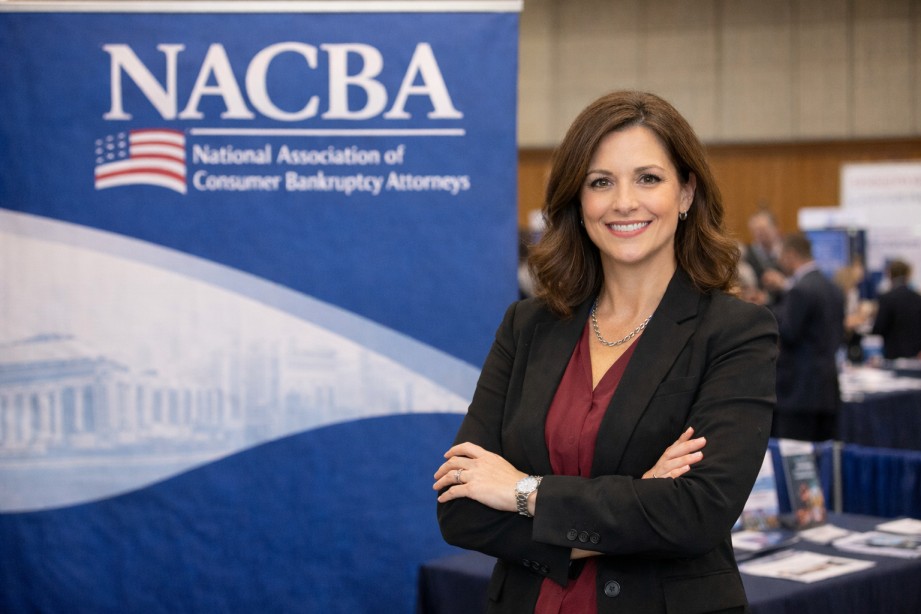
What does NACBA actually do for bankruptcy attorneys—beyond conferences and listserv emails? NACBA board member Tara Salinas breaks down what getting involved really looks like in practice. Here are the three key takeaways:
Getting involved with the National Association of Consumer Bankruptcy Attorneys helps attorneys grow their practice and improve how they serve clients.
NACBA provides education, collaboration, and leadership opportunities for consumer bankruptcy attorneys at every stage of their career.
Participation in NACBA can lead to real change in the bankruptcy system, from legislative reform to improving case law across the country.
From sharing ideas with attorneys across the country, to improving client outcomes, growing a stronger practice, and even shaping bankruptcy law at the state and national level, this is a behind-the-scenes look at how NACBA works for the lawyers who show up. We talk about why many consumer bankruptcy attorneys choose to get involved, how collaboration across districts helps everyone get better, and the lesser-known ways NACBA supports attorneys through education, advocacy, and appellate resources.
If you’ve ever wondered whether NACBA membership is worth your time—or how other attorneys are using it to improve their practice—check out the video, or keep reading for FAQs.
FAQ: Why should bankruptcy attorneys get involved with NACBA?
Bankruptcy attorneys should get involved with NACBA because it provides opportunities to collaborate with colleagues, improve their practice, and contribute to the future of consumer bankruptcy law.
Many consumer bankruptcy attorneys work in small firms or solo practices, which can sometimes feel isolating. NACBA creates a nationwide network where attorneys can share ideas, discuss emerging issues, and learn from one another. That collaboration can lead to new strategies for handling cases, improving client service, and managing a practice more effectively.
For some attorneys, involvement begins with attending conferences, watching webinars, or participating in listserv discussions. Over time, many discover that they have something valuable to contribute. Some attorneys begin speaking at conferences, hosting webinars, or mentoring newer practitioners. Others contribute by writing articles, helping organize advocacy efforts, or participating in leadership roles.
The organization creates a space where attorneys who care about helping debtors can learn from each other while strengthening the profession as a whole.
FAQ: What benefits do attorneys receive from NACBA membership?
Attorneys who join NACBA gain access to education, professional networks, and practical resources that help them improve their bankruptcy practice.
One of the most valuable benefits is the NACBA listserv, where attorneys from around the country discuss legal questions, procedural issues, and practical strategies. Because these attorneys practice in different jurisdictions, they are often willing to share ideas openly without worrying about local competition.
NACBA also offers conferences, workshops, and webinars that provide continuing legal education focused specifically on consumer bankruptcy practice. These events allow attorneys to learn about new developments in bankruptcy law while connecting with colleagues who face similar challenges in their own districts.
Many attorneys also find that these relationships lead to referrals, collaborative problem solving, and the exchange of practical tools such as intake forms, fee agreements, and litigation strategies.
FAQ: How does NACBA help bankruptcy attorneys grow their practices?
NACBA helps bankruptcy attorneys grow their practices by creating an environment where attorneys can share successful strategies and learn from colleagues across the country.
Attorneys frequently exchange ideas about marketing, case strategy, client communication, and practice management. Because the participants practice in different states, they can speak openly about what works and what does not without worrying about competing for the same clients.
These conversations often lead to practical improvements. An attorney might learn about a new intake process, a better way to handle student loan cases, or a strategy for improving Chapter 13 practice. Many attorneys implement ideas they learned from colleagues and discover that those changes help them better serve clients while also strengthening their firm financially.
In this way, NACBA functions as a national think tank for consumer bankruptcy practice, where attorneys continuously refine the way they work.
FAQ: What role does NACBA play in legislative advocacy?
NACBA plays an important role in helping bankruptcy attorneys advocate for better laws that protect debtors and improve the bankruptcy system.
In some states, NACBA members have organized legislative efforts to improve exemption laws and other protections for debtors. These efforts often involve working with local attorneys, identifying legislative sponsors, and coordinating advocacy campaigns.
For example, attorneys in Colorado successfully worked to increase their state’s exemption protections through a coordinated effort supported by NACBA’s legislative resources. NACBA helped provide guidance, strategic support, and connections to professionals who understand how to navigate legislative processes.
These types of initiatives allow consumer bankruptcy attorneys to improve the legal landscape for their clients, not only within their own state but sometimes across the country.
FAQ: What is the National Consumer Bankruptcy Rights Center (NCBRC)?
The National Consumer Bankruptcy Rights Center is a nonprofit organization that helps bankruptcy attorneys challenge harmful legal decisions and develop stronger case law for consumer debtors.
When a bankruptcy court issues a decision that could negatively affect debtors, attorneys may want to appeal the ruling but lack the resources or experience necessary to pursue the case effectively. NCBRC provides assistance in these situations by helping attorneys prepare appellate briefs, develop legal arguments, and prepare for oral arguments.
In some cases, the organization files amicus briefs supporting appeals that could shape important areas of bankruptcy law. This work helps ensure that harmful legal precedents do not spread unchecked through the court system.
Although NCBRC operates as a separate nonprofit organization, it was founded by members of NACBA and works closely with the consumer bankruptcy bar to protect debtor rights.
FAQ: How can attorneys contribute to NACBA without serving on the board?
Attorneys can contribute to NACBA in many ways without serving on the board, including teaching, writing, mentoring, and participating in advocacy efforts.
Some attorneys share their expertise by presenting webinars or speaking at NACBA conferences. Others contribute by writing articles for publications such as the Consumer Bankruptcy Law Journal. Attorneys who enjoy advocacy may participate in legislative initiatives that improve bankruptcy protections in their state.
There are also opportunities to support appellate work through collaboration with the National Consumer Bankruptcy Rights Center. Even simple participation in discussions, sharing ideas, and mentoring younger attorneys helps strengthen the community.
For many members, the most meaningful contribution comes from sharing the knowledge they have gained through years of practice. When attorneys openly exchange ideas and resources, the entire consumer bankruptcy bar becomes stronger and better equipped to serve clients.
Disclaimer: The content on this blog is for informational and educational purposes only and does not constitute legal or financial advice. Watching our videos and reading our blogs does not create an attorney-client relationship. Always consult a licensed bankruptcy attorney or financial professional about your situation.
FAQ: What are the top 10 lead sources for bankruptcy attorneys in 2025?
The top 10 lead sources for bankruptcy attorneys in 2025 are 1) client referrals, 2) attorney referrals, 3) Google Local Services Ads, 4) organic Google search and maps, 5) Google PPC, 6) TikTok short-form videos, 7) Yelp reviews, 8) Spanish-language radio, 9) direct mail to homeowners in default for Chapter 13, and 10) outdoor advertising in limited cases.
FAQ: How should I prioritize Google options like LSA, PPC, and SEO?
You should prioritize Google by leading with LSA for intent-driven calls, maintaining a steady SEO cadence for compounding traffic, and using PPC to test offers and fill volume gaps. LSA tends to be the most efficient near-term lever, SEO builds the floor, and PPC is your throttle.
FAQ: Where do referrals from clients and attorneys fit in the mix?
Referrals from clients and attorneys sit at the top because they convert faster, require less education, and carry higher trust. Systematize them with a simple thank-you loop, quarterly touches to PI and family firms, and a review request plan after each successful discharge.
FAQ: Is TikTok really producing signed cases or just attention?
TikTok is producing signed cases when you post consistent, plain-language explainers with a real human face and clear calls to schedule. The firms seeing results rely on an attorney or paralegal who creates short, frequent videos that answer one question at a time.
FAQ: Do Yelp reviews still matter for bankruptcy intake?
Yelp reviews matter because many debtors search for empathy and clarity, not just pricing, and Yelp showcases tone through long-form testimonials. A steady stream of genuine client stories improves discovery and nudges hesitant prospects to book.
FAQ: Can Spanish-language radio outperform digital in some markets?
Spanish-language radio can outperform digital when you have bilingual intake that answers live and books on the first call. Community trust plus language fit creates warmer inquiries and more referrals within the same network.
FAQ: Is direct mail still worth it for Chapter 13 and foreclosure?
Direct mail is still worth it for Chapter 13 and foreclosure when lists are clean, timing matches notice windows, and follow-up is immediate. Pair mail with same-day callbacks and a short landing page that confirms eligibility and schedules a consult.
FAQ: Should I try outdoor billboards or skip them?
You should try outdoor billboards only if you can afford true saturation and time. Otherwise, invest in LSA, reviews, and content first, then test outdoor later as a brand layer, not your primary lead source.
FAQ: What role do specialty funnels like 720 System Strategies and Three Pillars play?
Specialty funnels like 720 System Strategies and Three Pillars play a feeder role by delivering educated prospects through structured intake and LOI flows. Many firms rank these pipelines just behind Google and referrals.
FAQ: If I am starting fresh, how should I split my budget across the top 10?
If you are starting fresh, you should split your budget roughly as follows: 30 percent to LSA, 20 percent to PPC testing, 20 percent to reviews and local SEO content, 10 percent to TikTok short-form, 10 percent to referral enablement, 5 percent to Spanish-language radio if relevant, 3 percent to direct mail for Chapter 13, 2 percent to outdoor brand tests, and the rest to specialty funnels that fit your staffing and market.
Disclaimer: The content on this blog is for informational and educational purposes only and does not constitute legal or financial advice. Watching our videos and reading our blogs does not create an attorney-client relationship. Always consult a licensed bankruptcy attorney or financial professional about your situation.
I sat down with Chad Van Horn to talk about something most firms treat as an afterthought: legal aid as a core strategy. Chad’s firm partners deeply with Legal Aid Service of Broward County and sponsors pro bono scholars at Nova Southeastern University (NSU). The results aren’t just warm-fuzzy: 29,000+ student hours, hundreds of Chapter 13 filings supported, a reliable hiring pipeline, and firm growth from roughly 50 retains a month to about 400. Check out the full episode, or keep reading for the FAQs.
FAQ: Why treat legal aid as a strategic pillar instead of a side project?
You treat legal aid as a strategic pillar because it reliably feeds impact, reputation, and growth at the same time. Chad’s team built systems around pro bono, not exceptions, which turned goodwill into consistent caseflow, community trust, and a brand that clients and referrers rally around.
FAQ: How do the student partnerships actually work?
Student partnerships work by formalizing pro bono tracks with your local law school, setting recognition tiers for hours, and supervising real bankruptcy matters that teach practice, not just theory. In Chad’s program with NSU, 184 students logged 29,175 hours across 380 pro bono cases, including more than 250 Chapter 13 filings, then graduated with hands-on experience that firms value.
FAQ: Won’t advertising pro bono invite a flood of “free” callers?
Advertising pro bono does not invite unmanageable demand if you screen for eligibility and publish a clear policy. Legal aid forwards qualified matters, and everyone else receives flexible payment options or referrals. The key is a known intake rule set so your staff can triage without friction.
If you truly don’t have time right now, start small and make it routine rather than special. One or two matters per month, every month, beats a quarterly surge that never happens. Consistency lets legal aid count on you and allows your team to schedule pro bono alongside standard work.
FAQ: How many matters should I take, and how do I set boundaries?
Take a fixed, recurring number that fits your capacity, for example two pro bono cases per month, and communicate that quota to legal aid. Clear boundaries prevent overrun while still delivering meaningful access to counsel for people who would otherwise go unrepresented.
FAQ: Does pro bono quality match paying-client quality in your shop?
Pro bono quality should match paying-client quality in your shop, or you risk harming trust. Chad’s rule is simple. A pro bono client receives the same attorney oversight, the same 341 meeting caliber, and the same workflows as any other client. Dignity and standards are non-negotiable.
This helps hiring and culture because values attract talent. Candidates routinely choose Van Horn Law Group over higher-pay offers to do meaningful work with a team that serves. Inside the firm, pro bono energizes purpose, teaches judgment, and grows tomorrow’s mentors.
FAQ: Does any of this move community outcomes, like pro se filings?
This moves community outcomes because reliable pro bono supply reduces desperation filings. Chad reports fewer pro se cases in his district as students and volunteers absorb matters that would otherwise land unassisted on the docket, improving fairness and court efficiency for everyone.
Disclaimer: The content on this blog is for informational and educational purposes only and does not constitute legal or financial advice. Watching our videos and reading our blogs does not create an attorney-client relationship. Always consult a licensed bankruptcy attorney or financial professional about your situation.