
Category: Blog

What NACBA Really Does for Bankruptcy Attorneys

What NACBA Really Does for Bankruptcy Attorneys

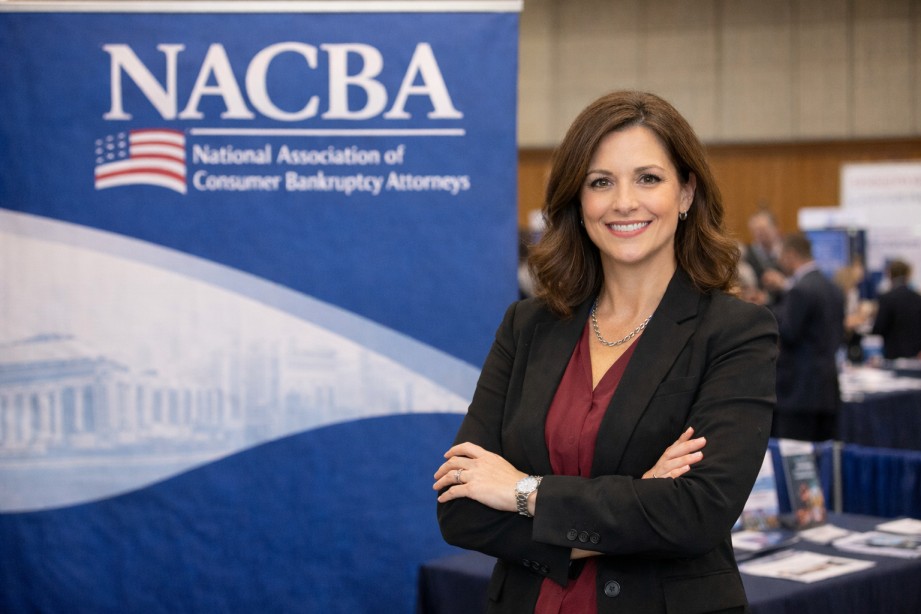
What does NACBA actually do for bankruptcy attorneys—beyond conferences and listserv emails? NACBA board member Tara Salinas breaks down what getting involved really looks like in practice. Here are the three key takeaways: 

  1. Getting involved with the National Association of Consumer Bankruptcy Attorneys helps attorneys grow their practice and improve how they serve clients.
  2. NACBA provides education, collaboration, and leadership opportunities for consumer bankruptcy attorneys at every stage of their career.
  3. Participation in NACBA can lead to real change in the bankruptcy system, from legislative reform to improving case law across the country.

From sharing ideas with attorneys across the country, to improving client outcomes, growing a stronger practice, and even shaping bankruptcy law at the state and national level, this is a behind-the-scenes look at how NACBA works for the lawyers who show up. We talk about why many consumer bankruptcy attorneys choose to get involved, how collaboration across districts helps everyone get better, and the lesser-known ways NACBA supports attorneys through education, advocacy, and appellate resources. 

If you’ve ever wondered whether NACBA membership is worth your time—or how other attorneys are using it to improve their practice—check out the video, or keep reading for FAQs. 


Frequently Asked Questions


FAQ: Why should bankruptcy attorneys get involved with NACBA?

Bankruptcy attorneys should get involved with NACBA because it provides opportunities to collaborate with colleagues, improve their practice, and contribute to the future of consumer bankruptcy law.

Many consumer bankruptcy attorneys work in small firms or solo practices, which can sometimes feel isolating. NACBA creates a nationwide network where attorneys can share ideas, discuss emerging issues, and learn from one another. That collaboration can lead to new strategies for handling cases, improving client service, and managing a practice more effectively.

For some attorneys, involvement begins with attending conferences, watching webinars, or participating in listserv discussions. Over time, many discover that they have something valuable to contribute. Some attorneys begin speaking at conferences, hosting webinars, or mentoring newer practitioners. Others contribute by writing articles, helping organize advocacy efforts, or participating in leadership roles.

The organization creates a space where attorneys who care about helping debtors can learn from each other while strengthening the profession as a whole.

Return to questions

FAQ: What benefits do attorneys receive from NACBA membership?

Attorneys who join NACBA gain access to education, professional networks, and practical resources that help them improve their bankruptcy practice.

One of the most valuable benefits is the NACBA listserv, where attorneys from around the country discuss legal questions, procedural issues, and practical strategies. Because these attorneys practice in different jurisdictions, they are often willing to share ideas openly without worrying about local competition.

NACBA also offers conferences, workshops, and webinars that provide continuing legal education focused specifically on consumer bankruptcy practice. These events allow attorneys to learn about new developments in bankruptcy law while connecting with colleagues who face similar challenges in their own districts.

Many attorneys also find that these relationships lead to referrals, collaborative problem solving, and the exchange of practical tools such as intake forms, fee agreements, and litigation strategies.

Return to questions

FAQ: How does NACBA help bankruptcy attorneys grow their practices?

NACBA helps bankruptcy attorneys grow their practices by creating an environment where attorneys can share successful strategies and learn from colleagues across the country.

Attorneys frequently exchange ideas about marketing, case strategy, client communication, and practice management. Because the participants practice in different states, they can speak openly about what works and what does not without worrying about competing for the same clients.

These conversations often lead to practical improvements. An attorney might learn about a new intake process, a better way to handle student loan cases, or a strategy for improving Chapter 13 practice. Many attorneys implement ideas they learned from colleagues and discover that those changes help them better serve clients while also strengthening their firm financially.

In this way, NACBA functions as a national think tank for consumer bankruptcy practice, where attorneys continuously refine the way they work.

Return to questions

FAQ: What role does NACBA play in legislative advocacy?

NACBA plays an important role in helping bankruptcy attorneys advocate for better laws that protect debtors and improve the bankruptcy system.

In some states, NACBA members have organized legislative efforts to improve exemption laws and other protections for debtors. These efforts often involve working with local attorneys, identifying legislative sponsors, and coordinating advocacy campaigns.

For example, attorneys in Colorado successfully worked to increase their state’s exemption protections through a coordinated effort supported by NACBA’s legislative resources. NACBA helped provide guidance, strategic support, and connections to professionals who understand how to navigate legislative processes.

These types of initiatives allow consumer bankruptcy attorneys to improve the legal landscape for their clients, not only within their own state but sometimes across the country.

Return to questions

FAQ: What is the National Consumer Bankruptcy Rights Center (NCBRC)?

The National Consumer Bankruptcy Rights Center is a nonprofit organization that helps bankruptcy attorneys challenge harmful legal decisions and develop stronger case law for consumer debtors.

When a bankruptcy court issues a decision that could negatively affect debtors, attorneys may want to appeal the ruling but lack the resources or experience necessary to pursue the case effectively. NCBRC provides assistance in these situations by helping attorneys prepare appellate briefs, develop legal arguments, and prepare for oral arguments.

In some cases, the organization files amicus briefs supporting appeals that could shape important areas of bankruptcy law. This work helps ensure that harmful legal precedents do not spread unchecked through the court system.

Although NCBRC operates as a separate nonprofit organization, it was founded by members of NACBA and works closely with the consumer bankruptcy bar to protect debtor rights.

Return to questions

FAQ: How can attorneys contribute to NACBA without serving on the board?

Attorneys can contribute to NACBA in many ways without serving on the board, including teaching, writing, mentoring, and participating in advocacy efforts.

Some attorneys share their expertise by presenting webinars or speaking at NACBA conferences. Others contribute by writing articles for publications such as the Consumer Bankruptcy Law Journal. Attorneys who enjoy advocacy may participate in legislative initiatives that improve bankruptcy protections in their state.

There are also opportunities to support appellate work through collaboration with the National Consumer Bankruptcy Rights Center. Even simple participation in discussions, sharing ideas, and mentoring younger attorneys helps strengthen the community.

For many members, the most meaningful contribution comes from sharing the knowledge they have gained through years of practice. When attorneys openly exchange ideas and resources, the entire consumer bankruptcy bar becomes stronger and better equipped to serve clients.

Return to questions


Disclaimer: The content on this blog is for informational and educational purposes only and does not constitute legal or financial advice. Watching our videos and reading our blogs does not create an attorney-client relationship. Always consult a licensed bankruptcy attorney or financial professional about your situation.


Top 10 Lead Sources for Bankruptcy Attorneys (NACBA 2025)

Watch the full video, or keep reading for advice from NACBA attorneys about the top ten lead sources, and other advice regarding converting leads.


Frequently Asked Questions


FAQ: What are the top 10 lead sources for bankruptcy attorneys in 2025?

The top 10 lead sources for bankruptcy attorneys in 2025 are 1) client referrals, 2) attorney referrals, 3) Google Local Services Ads, 4) organic Google search and maps, 5) Google PPC, 6) TikTok short-form videos, 7) Yelp reviews, 8) Spanish-language radio, 9) direct mail to homeowners in default for Chapter 13, and 10) outdoor advertising in limited cases.

Return to questions

FAQ: How should I prioritize Google options like LSA, PPC, and SEO?

You should prioritize Google by leading with LSA for intent-driven calls, maintaining a steady SEO cadence for compounding traffic, and using PPC to test offers and fill volume gaps. LSA tends to be the most efficient near-term lever, SEO builds the floor, and PPC is your throttle.

Return to questions

FAQ: Where do referrals from clients and attorneys fit in the mix?

Referrals from clients and attorneys sit at the top because they convert faster, require less education, and carry higher trust. Systematize them with a simple thank-you loop, quarterly touches to PI and family firms, and a review request plan after each successful discharge.

Return to questions

FAQ: Is TikTok really producing signed cases or just attention?

TikTok is producing signed cases when you post consistent, plain-language explainers with a real human face and clear calls to schedule. The firms seeing results rely on an attorney or paralegal who creates short, frequent videos that answer one question at a time.

Return to questions

FAQ: Do Yelp reviews still matter for bankruptcy intake?

Yelp reviews matter because many debtors search for empathy and clarity, not just pricing, and Yelp showcases tone through long-form testimonials. A steady stream of genuine client stories improves discovery and nudges hesitant prospects to book.

Return to questions

FAQ: Can Spanish-language radio outperform digital in some markets?

Spanish-language radio can outperform digital when you have bilingual intake that answers live and books on the first call. Community trust plus language fit creates warmer inquiries and more referrals within the same network.

Return to questions

FAQ: Is direct mail still worth it for Chapter 13 and foreclosure?

Direct mail is still worth it for Chapter 13 and foreclosure when lists are clean, timing matches notice windows, and follow-up is immediate. Pair mail with same-day callbacks and a short landing page that confirms eligibility and schedules a consult.

Return to questions

FAQ: Should I try outdoor billboards or skip them?

You should try outdoor billboards only if you can afford true saturation and time. Otherwise, invest in LSA, reviews, and content first, then test outdoor later as a brand layer, not your primary lead source.

Return to questions

FAQ: What role do specialty funnels like 720 System Strategies and Three Pillars play?

Specialty funnels like 720 System Strategies and Three Pillars play a feeder role by delivering educated prospects through structured intake and LOI flows. Many firms rank these pipelines just behind Google and referrals.

Return to questions

FAQ: If I am starting fresh, how should I split my budget across the top 10?

If you are starting fresh, you should split your budget roughly as follows: 30 percent to LSA, 20 percent to PPC testing, 20 percent to reviews and local SEO content, 10 percent to TikTok short-form, 10 percent to referral enablement, 5 percent to Spanish-language radio if relevant, 3 percent to direct mail for Chapter 13, 2 percent to outdoor brand tests, and the rest to specialty funnels that fit your staffing and market.

Return to questions


Disclaimer: The content on this blog is for informational and educational purposes only and does not constitute legal or financial advice. Watching our videos and reading our blogs does not create an attorney-client relationship. Always consult a licensed bankruptcy attorney or financial professional about your situation.

The Surprising ROI of Legal Aid in a Bankruptcy Practice

An experienced female attorney stands confidently in her law office, smiling while holding a leather portfolio, with bookshelves and legal scales behind her illustrating the surprising ROI of legal aid in a bankruptcy practice.

I sat down with Chad Van Horn to talk about something most firms treat as an afterthought: legal aid as a core strategy. Chad’s firm partners deeply with Legal Aid Service of Broward County and sponsors pro bono scholars at Nova Southeastern University (NSU). The results aren’t just warm-fuzzy: 29,000+ student hours, hundreds of Chapter 13 filings supported, a reliable hiring pipeline, and firm growth from roughly 50 retains a month to about 400. Check out the full episode, or keep reading for the FAQs.

Frequently Asked Questions


FAQ: Why treat legal aid as a strategic pillar instead of a side project?

You treat legal aid as a strategic pillar because it reliably feeds impact, reputation, and growth at the same time. Chad’s team built systems around pro bono, not exceptions, which turned goodwill into consistent caseflow, community trust, and a brand that clients and referrers rally around.

Return to questions

FAQ: How do the student partnerships actually work?

Student partnerships work by formalizing pro bono tracks with your local law school, setting recognition tiers for hours, and supervising real bankruptcy matters that teach practice, not just theory. In Chad’s program with NSU, 184 students logged 29,175 hours across 380 pro bono cases, including more than 250 Chapter 13 filings, then graduated with hands-on experience that firms value.

Return to questions

FAQ: Won’t advertising pro bono invite a flood of “free” callers?

Advertising pro bono does not invite unmanageable demand if you screen for eligibility and publish a clear policy. Legal aid forwards qualified matters, and everyone else receives flexible payment options or referrals. The key is a known intake rule set so your staff can triage without friction.

Return to questions

FAQ: What if I truly don’t have time right now?

If you truly don’t have time right now, start small and make it routine rather than special. One or two matters per month, every month, beats a quarterly surge that never happens. Consistency lets legal aid count on you and allows your team to schedule pro bono alongside standard work.

Return to questions

FAQ: How many matters should I take, and how do I set boundaries?

Take a fixed, recurring number that fits your capacity, for example two pro bono cases per month, and communicate that quota to legal aid. Clear boundaries prevent overrun while still delivering meaningful access to counsel for people who would otherwise go unrepresented.

Return to questions

FAQ: Does pro bono quality match paying-client quality in your shop?

Pro bono quality should match paying-client quality in your shop, or you risk harming trust. Chad’s rule is simple. A pro bono client receives the same attorney oversight, the same 341 meeting caliber, and the same workflows as any other client. Dignity and standards are non-negotiable.

Return to questions

FAQ: How does this help hiring and culture?

This helps hiring and culture because values attract talent. Candidates routinely choose Van Horn Law Group over higher-pay offers to do meaningful work with a team that serves. Inside the firm, pro bono energizes purpose, teaches judgment, and grows tomorrow’s mentors.

Return to questions

FAQ: Does any of this move community outcomes, like pro se filings?

This moves community outcomes because reliable pro bono supply reduces desperation filings. Chad reports fewer pro se cases in his district as students and volunteers absorb matters that would otherwise land unassisted on the docket, improving fairness and court efficiency for everyone.

Return to questions


Disclaimer: The content on this blog is for informational and educational purposes only and does not constitute legal or financial advice. Watching our videos and reading our blogs does not create an attorney-client relationship. Always consult a licensed bankruptcy attorney or financial professional about your situation.